
Has Your Shoulder Locked up?
Frozen Shoulder - how you can prevent or recover!
Have you ever been doing something completely normal, like putting on a seatbelt, reaching up to the top shelf or putting on your bra, and then…BOOM!
Your shoulder feels locked up, stiff and painful to move?
If this sounds familiar, you’re not alone.Especially in midlife.
As 👑 estrogen declines, an estimated 70% of women experience muscle and joint changes now known as the
👉 Muscular Skeletal Syndrome of Menopause.
One of the most common (and frustrating) examples is frozen shoulder, or adhesive capsulitis.
This happens when the connective tissue around the joint becomes inflamed, thickened and stiff, causing pain and severely limited movement.
Frozen shoulder typically progresses through three stages:
• Freezing - increased pain and stiffness
• Frozen - reduced pain, but very limited motion
• Thawing - gradual return of mobility
And no, it’s not “just aging”.
In this issue we’ll help you proactively minimize your risk of developing this and/or work through frozen shoulder challenges.
Why This Matters
Other perimenopausal symptoms often steal the spotlight. Meanwhile, joint issues—like frozen shoulder—quietly affect many women. These problems are far more common than we realize, and without proactive care, they can become deeply limiting. This “silent” issue doesn’t have to become a lasting one.
FITNESS SIMPLIFIED
As a woman over 40, you’re automatically at a higher risk.
So prevention should be top of mind!
Fitness Tip to Manage Frozen Shoulder
Prioritize Shoulder Socket Mobility & Strength
Personally, my shoulders are currently healthy—and I plan to keep them that way.
That’s why I intentionally include shoulder mobility and strength exercises in my workouts and daily life.
I’m not waiting until something hurts to take action…and I don’t want you to either!
(Even if your shoulders are already problematic, these tips still apply.)
Staying active is key to reducing joint inflammation, increasing the strength and stability through your entire shoulder girdle, and ultimately preventing frozen shoulder (or recovering faster if it happens).
✅ Mobility: Move your shoulders through full ranges daily—up, back, out to the side, across, and behind.
✅ Strength: Build strength in your shoulder and postural muscles to reduce your risk of injury (potentially leading to frozen shoulder).
Shoulder Mobility & Strength Exercises
- Shoulder Socket Punches (8-10 reps each direction): With arms straight in front of you, move shoulder blades as much as possible in a “shrugging” action. Change your arm angle, pointing arms up and down.
- Figure-8 Rotational Reaches (3-4 reps/side): With arm straight, lead with your thumb to make a big diagonal figure-8 motion in front of your body.
- Internally Rotated Scapular Retractions (8 reps/arm): Place the back of your hand flat on the small of your back, squeeze elbow and shoulder blade back then release forward. Move hand higher up your back for a greater challenge.
Extra tip: Add these three movements into your warm-up or do them periodically throughout the day. They feel great first thing in the morning or right before bed too!
Did You Know...
- Shoulder mobility exercises are especially important if your primary form of exercise is walking. When you walk, your shoulder travel through a very limited range of motion. Even though you’re staying active, your shoulder can gradually lose its mobility if you’re not prioritizing it in other ways.
- Shoulder injuries that are ignored can easily escalate into frozen shoulder. With a current (or past) shoulder injury, you must be determined to do what’s necessary to restore it back to its full function, if possible.
- If you already have frozen shoulder, it’s best to work directly with a physical therapist, rather than try to fix it on your own. Professionals have access to therapeutic modalities and protocols that are scientifically created to work best.
NUTRITION SIMPLIFIED
Musculoskeletal issues, like frozen shoulder, are more likely to occur with increased inflammation.
Namely due to the decrease in our estrogen production.
Nutrition Tip to Manage Frozen Shoulder
Eat to Beat Inflammation
As we’ve discussed before, estrogen is a very anti-inflammatory hormone.
When estrogen begins to move toward retirement 😢, this makes women in midlife much more vulnerable to joint inflammation—leading to constant joint pain and problems like frozen shoulder.
One more reason to be proactive!
Help yourself by prioritizing anti-inflammatory foods in your meals:
✔️ Focus on omega-3 fats, antioxidants, and hydration
✔️ Think: Salmon, walnuts, berries, leafy greens, olive oil, flaxseed
✔️ Drink water all day long to stay hydratedAnd proactively reduce inflammation by limiting:
❌ Processed sugars, refined carbs, excess omega-6 oils (from too many processed foods)
❌ Mild dehydration can make muscles feel tighter and more painful
(Ready to go deeper into reversing inflammation? Try the Inflammation Reset program for all the resources you need to start moving in the right direction.)Curious to see what an “anti-inflammatory” meal looks like?This is a great (and delicious!) example…
Rosemary Quinoa Salad with Walnuts + Cherries
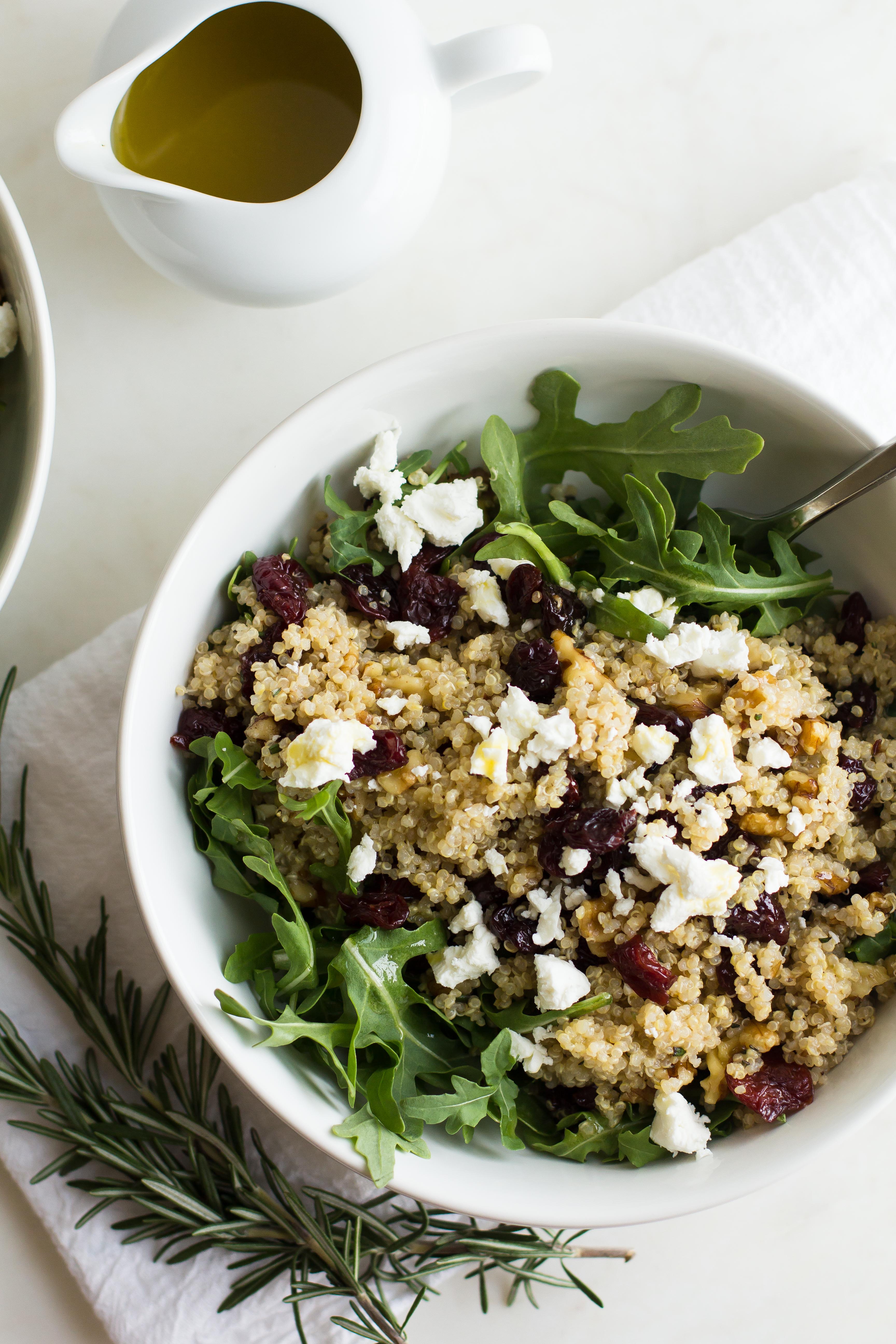
More ideas to Manage Inflammation:
- Bake a salmon filet with lemon pepper & salt and a few lemon slices on top, wrapped in parchment paper and serve along side the salad 👆
- Prep a salad with arugula, blueberries, raspberries, walnuts, and a can of tuna. Toss simply with olive oil and balsamic vinegar. Sprinkle whole flax seeds on top.
- Finish your day with a caffeine-free green tea, a square of dark chocolate and a bowl of berries.
MINDSET SIMPLIFIED
You’re not falling apart! You just need a little extra support!
It’s so easy to feel like your body is failing as one thing after another gets added to the list of midlife challenges
.“I’m only 52 (or 42 or 48 or 53) — I shouldn’t be falling apart!”
Trust me, I get it. 😢But, this mindset adds even more stress to yourself.
And it can delay you from taking action and getting real help.Hard truth: your body is responding to hormonal shifts and reduced movement—NOT breaking down.
So, let’s do a reframe = Your body is simply asking for help, not looking for shame & punishment.
Listen! Give her what she needs, and you WILL improve.
Mindset Tip to Manage Frozen Shoulder
Give Yourself Grace
THE TAKEAWAY
Joint ailments, such as frozen shoulder, are quite common in midlife, but not a given. By being proactive with consistent strength and mobility moves, and a focus on calming inflammation, your body has an incredible ability to respond and recover. You are not stuck, you are not broken. This is your invitation to take action and move forward with confidence.
- Prioritize Shoulder Socket Mobility & Strength
- Eat to Beat Inflammation
- Give Yourself Grace
ADDITIONAL RESOURCES
Self Care Simplified podcast
396. Frozen Shoulder - Every Woman Needs to Know This!
397. How to Manage Joint Pain & Inflammation in Midlife
348. Inflammation & Joint Pain Totally Reversed (No Medication!)
SPECIAL RESOURCE
If you’re dealing with neck or shoulder pain of any kind, follow along with this routine. You’ll be guided through a series of stretches that feel ah-mazing! AND…you can easily do this right at your desk or in a chair. Put this on your to-do list today!
Seated Neck and Shoulder Pain Relief
Until next week... Be strong
